

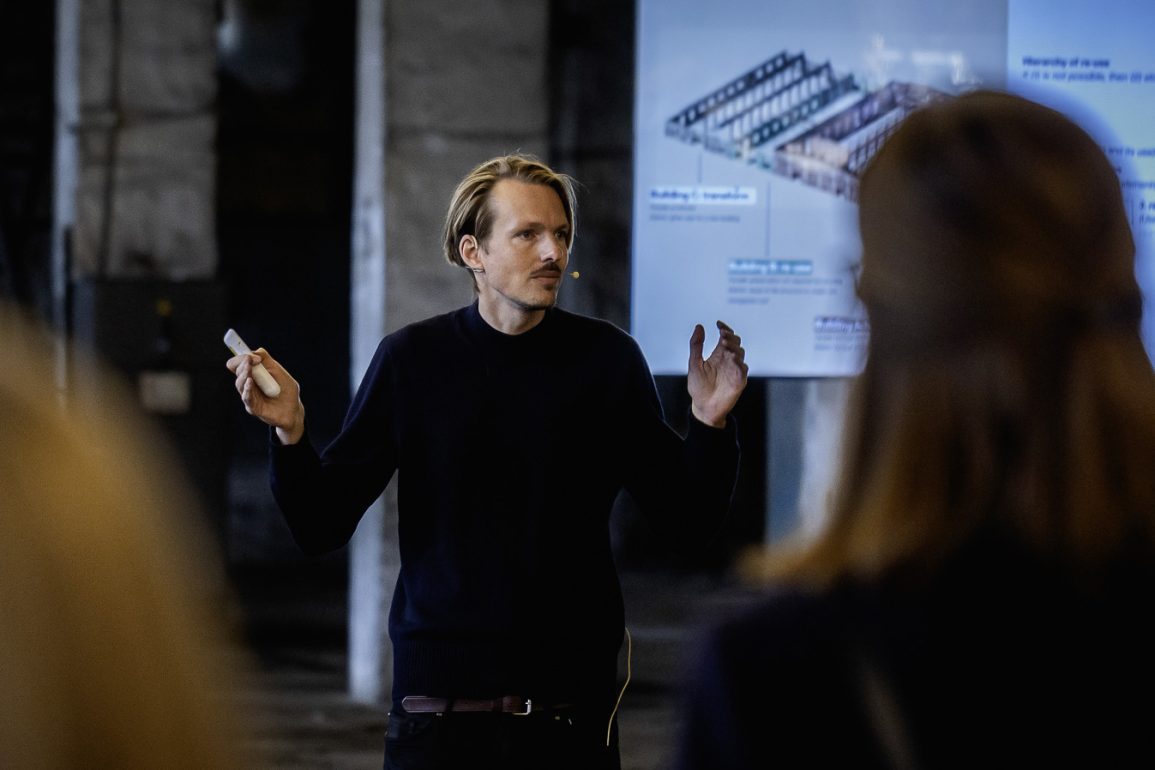
What if keeping and transforming existing buildings became the default – and demolition the choice that had to be justified? For Ole Storjohann, Sustainability & Project Lead and Architect at Cobe, this shift is essential if the building industry is to make better use of the resources and qualities already present in our buildings.
In his upcoming talk, held together with Paul Roberts from Buro Happold Copenhagen, Ole will explore how better analysis and a stronger decision-making framework can support more informed choices about the future of existing buildings.
Ahead of Sustainable Transformation on 29 & 30 September, we spoke with Ole about why regulation matters, where he sees the greatest untapped potential in the existing building stock – and why transformation may be less complicated than we sometimes make it out to be.
Could you briefly introduce yourself and tell us how transformation plays a role in your work?
I am sustainability and project lead at Cobe in Copenhagen. Currently i have the responsibility for several transformation projects in the office, among them the Krulli innovation hub in Tallinn and the Museum of Furniture Studies in Älmhult.
We know that we increasingly need to preserve and transform what we already have. In your view, what needs to change for transformation to become a more natural first choice in the building industry?
The number one reason for demolition are not the existing buildings themselves, but the high pressure to increase density and squaremeter on a site. The most effective way to handle this problem is through regulation. The SAVE-system is for example very effective, but concerns only cultural/heritage values. Something similar could be done for “preservation value out of resource point of view”, f.x. preventing the demolition of newer buildings.
When ambitions for transformation meet the realities of building in practice, where do you see the biggest challenges – and where do you see the greatest opportunities to make a real difference?
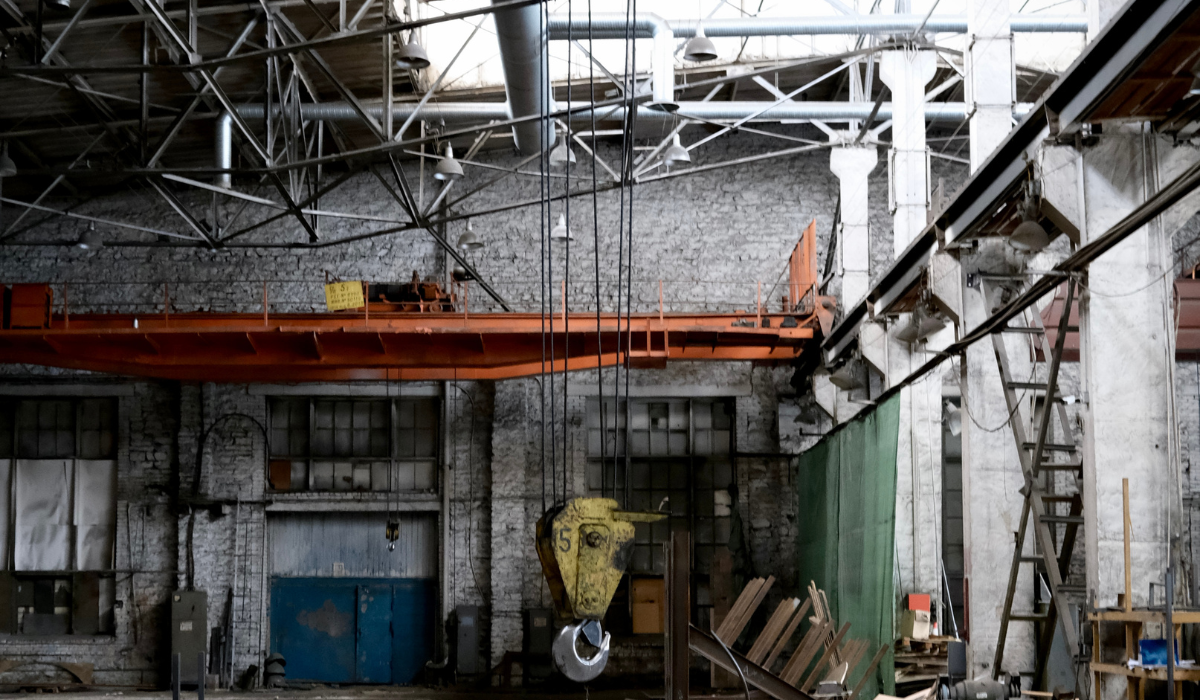
Not doing building as usual always involves some sort of risk, it would be great if public projects would participate more in pushing the agenda. The biggest potential are in buildings that are under-appreciated, which gives the greatest design freedom.
Looking a few years ahead, what do you hope we will have changed in the way we work with existing buildings and cities?
Keeping and transforming buildings on a site should become the natural first choice, with demolition being something you have to argue for.
Above all, what do you hope participants will take away from Sustainable Transformation after your presentation? It could be a new perspective, a practical approach, or simply the motivation to do something different.
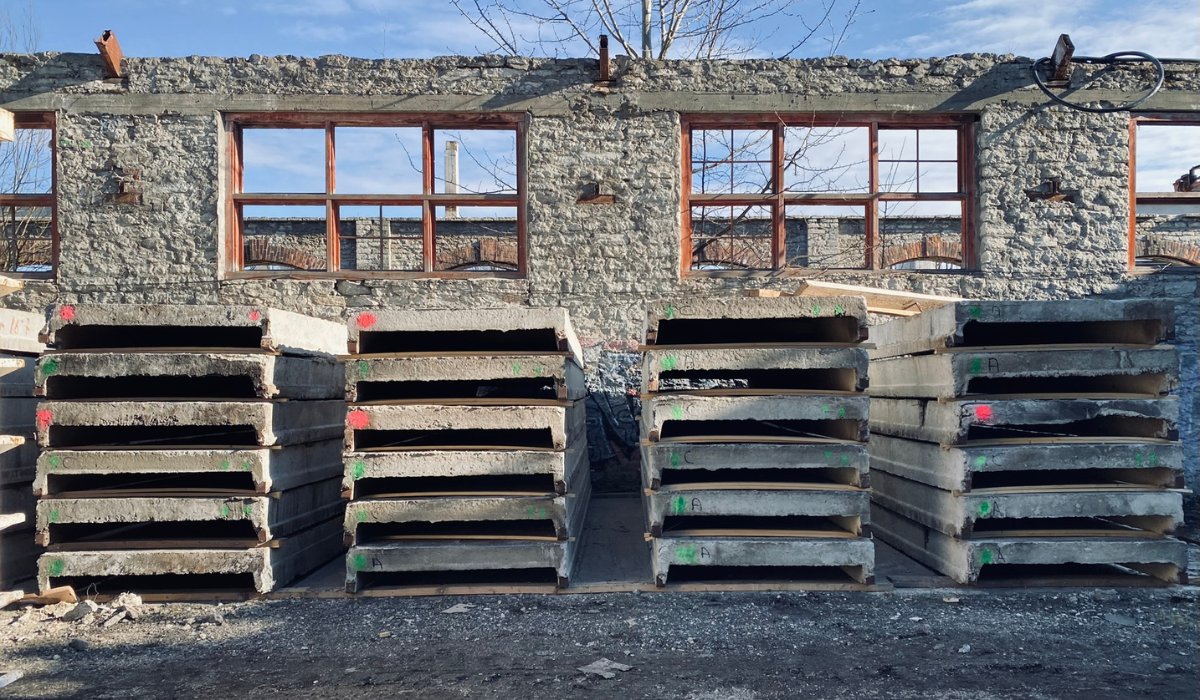
That transformation is not rocket science, it is something we have always done as a society. Make clients aware of the values they have in the existing and have backup plans to handle risks.
Can better knowledge give us the confidence to transform?
At Sustainable Transformation, Ole Storjohann will draw on the adaptive reuse of Krulli Kasvuhoone in Tallinn to explore how technological analysis can support better decisions when working with existing buildings. Together with Paul Roberts from Buro Happold Copenhagen, he will show how factors such as carbon footprint, indoor environmental quality and heritage constraints can be evaluated early in the design process – and how those insights can challenge assumptions about what the most sustainable solution actually is.
Meet Ole Storjohann at Sustainable Transformation on 29 & 30 September.
